Constant change is built into digital marketing. With the rapid rise of GenAI, this natural volatility is only intensifying. New tools, platforms and communication formats are emerging all the time. Strategies that seemed effective just a year ago can now deliver zero impact or even turn into clear anti-trends. In this article, we will explore whether AI is truly the core trend in marketing and highlight other significant developments shaping 2026. AI versus traditional search: when should you prioritise GEO, and when is classic SEO still the better choice?
According to a survey by Onclusive, algorithm shifts are seen as the number one challenge for 2026. As AI is embedded deeper into search, these shifts become harder to predict and almost constant.
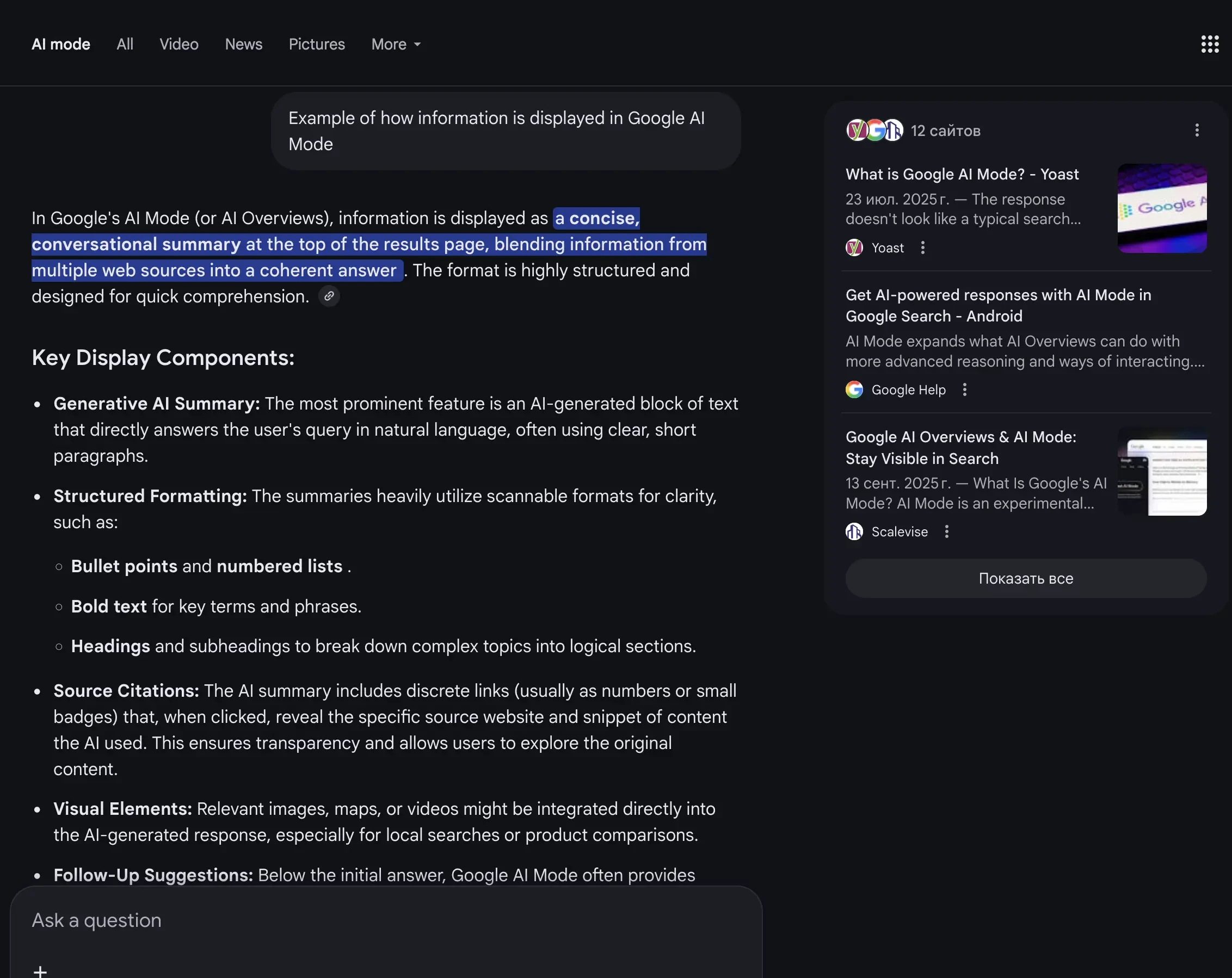
Not long ago, a user entered a query into the search bar and simply received a list of links to various websites. By late 2025, even standard search began to include AI Overviews (Google AI Overviews) – a block with a generated answer at the top of the results page plus a list of sources on the right-hand side. Users can now also request a fully generated reply to their query in:
-
Google AI Mode – generative answers displayed directly in search, with the option to continue the conversation and a list of supporting links.
-
Generative AI models (ChatGPT, Gemini, Claude and others) – these tools produce their own response, often without a direct, visible link to a specific brand.
Against this backdrop, traditional SEO still plays a crucial role, but marketers are broadening their priorities and investing far more effort into GEO. In 2026, alongside rankings in classic search, brands also need to be recognised as trusted, expert sources that neural networks choose to quote.
At La-Marketing, we combine both approaches when promoting websites. We are confident that using SEO and GEO together is already a must if you want to build a long-term, stable and resilient traffic channel.
![Example of how information is displayed in Google AI Mode]() Mass content generation by neural networks
Mass content generation by neural networks
 Mass content generation by neural networks
 Throughout 2025, the line between human-written and AI-generated text has been fading. This trend now affects not only simple social media posts, but also specialised expert content that still carries an author’s voice and includes fact-checked information.
Mass generation has also moved into visuals and video. Just a few years ago, deepfake production required several different tools and a large library of original photos and footage. Today, neural networks are constantly refining their models, and new solutions appear almost every month. In the autumn of 2025 alone, the market saw the launch of:
-
Imagine Art powered by Gemini
-
Sora 2 from OpenAI
For marketers, these advanced technologies simultaneously open up opportunities and create serious challenges.
-
On the plus side, they allow you to produce and adapt content quickly, cut production costs and scale creative ideas at high speed.
– On the downside, they put authenticity at risk, demand constant monitoring of what is appropriate, and can easily distract teams from truly strategic priorities.
At the beginning of November, Ukrainian social networks were flooded with fake videos and images of Angelina Jolie allegedly visiting cafés in different cities, shopping, working out and even receiving treatment. The situational campaign spiralled out of control: brands gained reach, but also faced a powerful wave of backlash. Users were angered not only by the unauthorised use of a celebrity’s image, but also by the absence of clear AI labelling.
Today, creators must carefully balance the efficiency of artificial intelligence with human input. Content strategy cannot be built on AI alone. It is important to remember that AI is prone to hallucinations, factual errors, lack of empathy and a poor understanding of your specific context at any given moment.
Real-time ad automation
Performance Max, introduced back in 2021, already offered end-to-end automation and personalisation for each potential customer. In 2025, Google rolled out an entire suite of additional features under the AI Max umbrella to push this adaptability even further. The system can now generate headlines automatically, pause underperforming ads and fine-tune strategies for different campaign goals.
For companies with modest budgets or highly specialised niches, adopting this approach is not always justified. The algorithms need substantial volumes of data and enough “space to test and fail” to perform well. Still, it is very likely that the capabilities and effectiveness of such automated advertising will continue to grow.
Important: even the most advanced AI tools still need human expertise:
-
Initial configuration and strategy design
-
Development of creatives (even if AI assists in production)
-
Ongoing maintenance: updating and checking negative keyword lists, bid strategies and targeting settings
Meta is following a similar path. In October 2025, the company announced the Meta AI business assistant, designed to help optimise campaigns and drive higher sales results.
La-Marketing.us has extensive experience running advertising campaigns for businesses in a wide range of industries since 2010. This background enables us to manage different budget levels effectively, and our early access to Google’s innovations allows us to integrate new features quickly.
AI-based marketing agents – intelligent chatbots
Smart chatbots remain a powerful, ongoing trend and are steadily evolving. Large language models (such as ChatGPT) have significantly increased their capabilities and continue to improve in quality.
These bots rely on a company’s internal knowledge base enriched with neural network capabilities. As a result, they can provide personalised recommendations, handle both simple and complex queries, support customers in planning tasks and much more.
Real-time analytics and the threat to privacy
For several consecutive years, personalisation has been one of the dominant trends in marketing, gradually transforming into full-scale hyper-personalisation. AI now enhances not only user interactions with brands, but also the depth and detail of behaviour analytics across multiple channels.
Looking ahead, the emphasis will shift from “more personalisation” to safeguarding user privacy. The following aspects are worth incorporating into your processes now, as they are likely to become baseline expectations:
-
Rely only on data that the brand has collected directly from the user with explicit consent.
-
Store this data securely and avoid sharing it with third parties (including other brands).
-
Choose communication channels and contact frequency with care.
-
Follow not only regulatory requirements, but also clear ethical standards.
-
Design communication strategies thoughtfully and limit the number of touchpoints per individual user.
To move from basic traffic tracking to meaningful, data-driven decisions, you need a professional, end-to-end analytics setup. This is an area where cooperation with specialists can significantly speed up progress.
The growing influence of Gen Alpha
It feels like only recently the industry was focused on Gen Z and the need to adapt strategies to younger audiences – and yet it is already time to prepare for the next generation. Generation Alpha, born between 2010 and 2025, is becoming a paying audience (with parents’ support, but often using their own bank cards).
For children’s banking products (ages 6 to 14), special rewards and mechanics have been introduced. Kids can win sweets, branded gifts or even trips to destinations such as Disneyland.
Some key figures: 68% of children have their own devices with internet access. 63% play video games every day, and 48% of them watch gaming streams. 36% of Ukrainian children already actively use AI for entertainment and study.
Generation Alpha discovers brands mainly through mobile apps and social media platforms, including:
-
Minecraft
-
Roblox
-
TikTok
-
Instagram
-
YouTube
The main tools for attracting this new youth audience include:
-
In-app advertising
-
Collaborations and integrations with influencers
-
Special social media projects (contests, quizzes, promotional campaigns)
-
User-generated content (UGC)
Old content still matters in 2026
For many years, content has been the backbone of website promotion. Even now, older articles on your blog can remain valuable. CRO expert Neil Patel regularly highlights how important it is to revisit and refresh legacy content.
To bring old content back to life, you should:
-
Update information on a regular basis – not just change the date, but add fresh industry insights, expert commentary, news and case studies.
-
Rework your CTAs – your products, positioning and priorities may have shifted, and your calls to action should reflect those changes.
-
Refocus from pure traffic to conversions – add subscription forms, lead magnets and direct links to mentioned products or services.
-
Expand beyond your home market – use AI translation as a starting point, but always rely on human specialists for proper localisation.
-
Update the publication date to match the latest revision.
You do not have to launch new pieces constantly. If your blog is already extensive, you almost certainly have articles that are still relevant but would benefit from a thorough review and refresh.
A new level of UGC – collaboration with customers
In recent years, encouraging customers to create content for brands has evolved from a minor tactic into a powerful, long-term trend. This model is especially visible in the beauty sector. The movement has gone far beyond social feeds, forming tightly knit, loyal communities around brands.
For example, British cosmetics brand REFY organised a community trip to Mallorca, turning loyal customers into true brand advocates.
In Ukraine, the retailer Lullaby allows clients to redeem loyalty points not only for discounts, but also for membership in a closed community with different access tiers, bonus gifts and invitations to exclusive events.
This type of engagement not only drives sales and loyalty, but also encourages satisfied customers to generate content on their own and spread it organically. Brands can then reuse this UGC in social feeds, ad creatives, product pages and other marketing assets.
AI challenges for 2026
As AI technologies continue to automate, generate and optimise more and more tasks, they simultaneously create new types of pressure for marketers. The most notable challenges include:
-
AI fatigue among professionals, caused by the explosive pace of technological growth. Every year, tens of thousands of new startups enter the market, while tech giants constantly update and expand their product lines. Many of these tools look extremely promising and highly relevant. In practice, however, it is impossible to test everything at once.
-
The need for continuous learning. AI platforms give digital specialists end-to-end control over planning, tracking, content creation, personalisation and advertising. But this requires more than just access to tools: you need hands-on skills, a solid understanding of prompting, and in some cases basic coding knowledge.
-
The risk of low-quality and homogeneous outputs as a side effect of widely available AI. Recognising the limits of GenAI for automated copywriting may itself become a defining trend in 2026. To avoid content that looks identical to hundreds of other AI-generated texts, brands must adapt models to their own voice: training on in-house materials, building custom prompts and thoroughly editing AI drafts.
Summing up: what should marketers expect from 2026?
Every year, AI systems grow more powerful and capable of handling increasingly complex tasks. As a result, the balance between human creativity and machine efficiency will continue to shift. Marketers will likely need to double down on uniquely human strengths – understanding cultural and ethical nuance, emotional intelligence, the ability to learn quickly and retrain. Consequently, soft skills will play an even more central role.
Brands should already be thinking about building relationships with the youngest audience – Gen Alpha – and planning advertising formats and integrations inside ecosystems such as the Roblox metaverse. Expert content will remain valuable (even if created years ago, as long as it is regularly updated), as will community development and working with micro-influencers.
If you are uncertain about your next steps in 2026 or, conversely, already convinced that you need GEO and advanced ad automation, the team at La-Marketing.us can run an initial audit and help you define, prioritise and execute your digital goals for the coming year.