An AI answer (or AI overview) is a text snippet generated by artificial intelligence directly in search results. It gives the user a ready-made answer to their query by synthesizing information from multiple sources — no need to visit any website.
According to recent research, when an AI block appears in search results, click-through rates drop by 58% for the first position, 51% for the second, and 46% for the third. AI answers already cover 43% of commercial and 68% of informational queries in English-language search. When users get answers directly in the search interface, they end their session without clicking — a phenomenon known as zero-click search.
For businesses, this means that competing for positions in traditional search results loses its value if your brand isn't present in the sources AI models rely on when generating answers.
We'll break down the statistics, explain why generative search is taking over, and offer actionable strategies — from technical setup to content planning — to keep your business visible even in a zero-click world.
Trends and Statistics
Data from 2026 confirms a steady trend: users are leaving search result pages less and less, getting comprehensive answers directly from AI. The numbers are clear — AI answers are no longer an experiment. They are a standard part of search that is fundamentally changing user behavior.
Why This Is Happening: From Navigation to Answers
The core reason for this shift is a change in user mindset. Today's users think: "I need an answer, not a website where I have to find the answer myself."
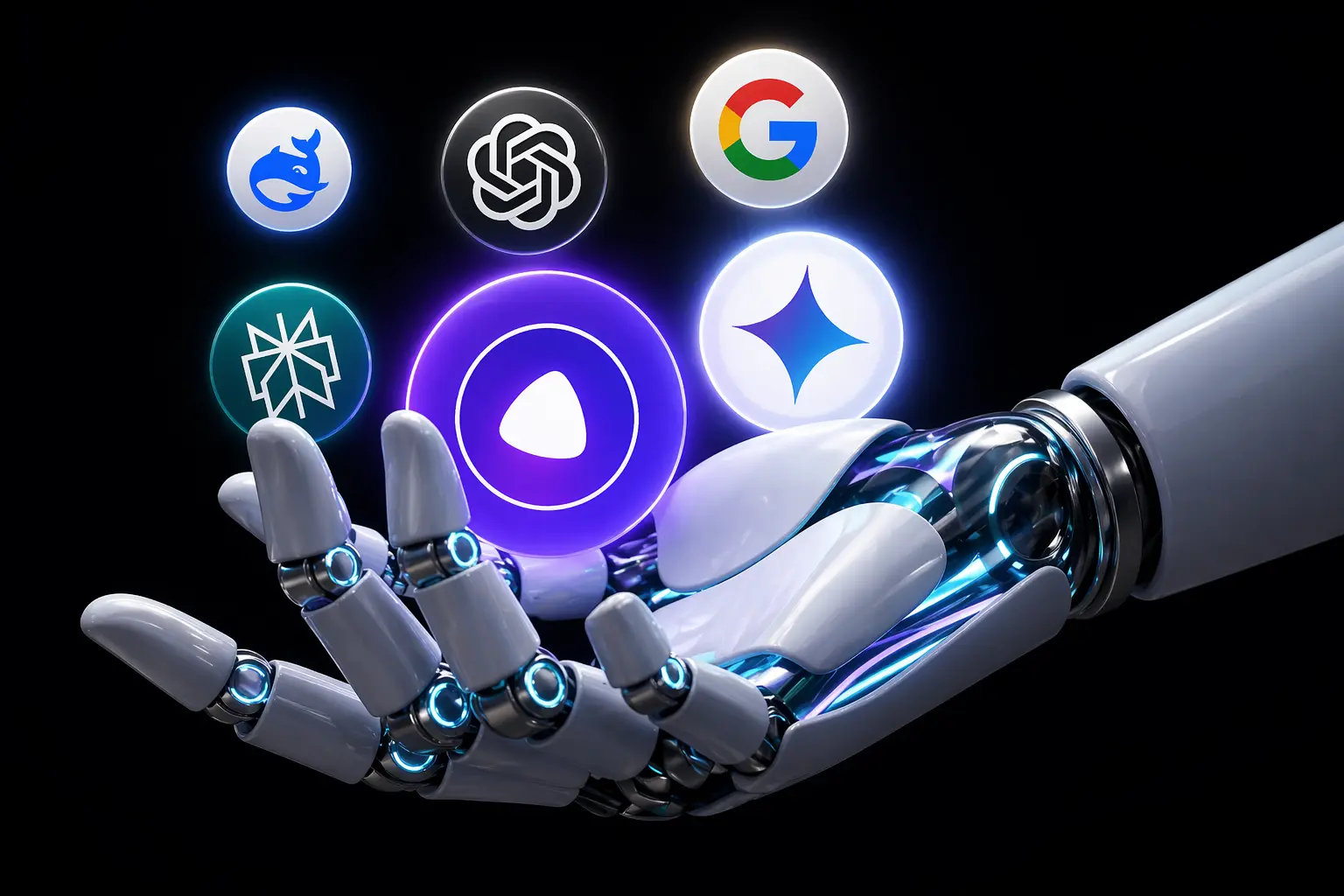
Generative models (Gemini, GPT, Claude) allow search engines to act as experts that synthesize information from dozens of sources, rather than simply returning a list of links.
Research shows:
- only 1 in 100 users who receive a generative answer clicks through to the original source;
- 89% of sources used in AI answers are "earned media" (press coverage, reviews, research), not corporate blogs.
The main reason is trust and authority. Large language models (LLMs) prioritize content that cites external sources, includes statistics, features direct expert quotes, and is published on independent, authoritative platforms. If your brand only appears in your own blog or press releases, AI models will most likely ignore it.
What Businesses Should Do: GEO Strategies
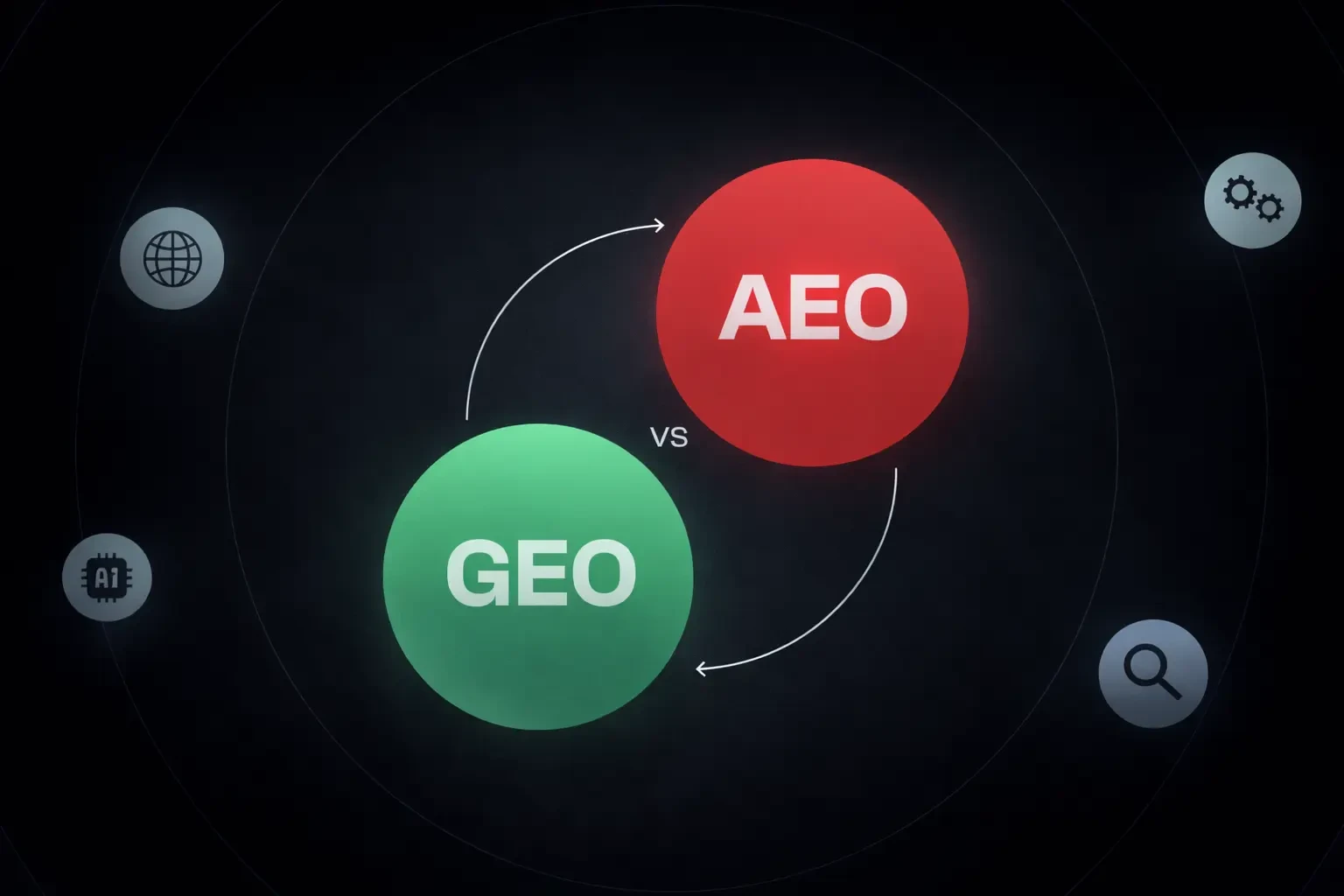
Traditional SEO (meta tag optimization, link building) is no longer enough. You need a comprehensive GEO (Generative Engine Optimization) strategy — one designed to make AI models treat your brand as an authoritative source.
Action Checklist:
1. Technical Foundation: Open Access for AI
Check your robots.txt file. A common mistake is blocking crawlers like GPTBot or ClaudeBot. Remove those restrictions and add an llms.txt file to your site's root directory to structure your data for AI crawlers.
2. Reputation and Media Presence (Digital PR)
Invest in digital PR: get featured in industry publications, appear on podcasts, and offer expert commentary. External, independent mentions are the strongest authority signal for AI.
3. Content Strategy: From Volume to Facts and Citability
- Deep expertise: in-depth guide articles with clear structure, specific data points, and practical examples.
- The FAST principle (Facts, Authority, Structure, Transparency): enrich your content with statistics, expert quotes, and research references — and write clearly.
- Length: publish content of at least 5,000 characters. Short texts are more likely to be ignored by AI.
4. Reputation Management (SERM)
Actively manage your reviews on Google Maps, Trustpilot, niche forums, and aggregators. Real user discussions are a key data source for training AI models.
FAQ
Q: If users stop clicking on websites, why do I need SEO at all?
SEO isn't dying — it's changing its purpose. Before, you competed for clicks. Now you compete for citations. The goal of SEO is to become the authoritative source that AI chooses for its answer. Without technical SEO, AI may simply not find your site. Without content SEO, it won't recognize you as an expert.
Q: What's the easiest thing I can do tomorrow to appear in AI answers?
There are three key actions:
- Open access — check your
robots.txt: GPTBot and ClaudeBot must not be blocked. - Rewrite your key pages — add specific numbers, facts, dates, and expert names. AI models love factual content.
- Ask AI about your brand in ChatGPT, Gemini, or Claude — find out whether AI can see you and in what context.
Q: When should I expect results from GEO efforts?
With consistent work — within 3–4 months. Technical changes take effect immediately, while media publications and crowd mentions take time to be indexed and incorporated into AI training data. The sooner you start, the bigger your advantage — competition for AI answers is still low.
Conclusion
The race for the top search position is becoming obsolete. Today, the real battle is about getting into AI answers. If your brand doesn't appear in ChatGPT, Gemini, or Claude responses for your target queries, you simply don't exist for a growing segment of users.
Start now: audit your technical accessibility for AI bots, assess your brand's presence in third-party media, and build a content strategy around maximum factual depth and openness.
Shifting to a GEO strategy isn't a trend — it's a necessity for staying visible in the era of generative search.
Want to learn how to set up GEO promotion for your project? Contact us for a consultation on your business visibility in AI.