
Organic search click-through rates are falling — and AI-generated answers are to blame. This is no longer a hypothesis but a documented trend reshaping the fundamentals of search marketing.
An AI Overview is a block generated by artificial intelligence directly on the search results page. The user receives a ready-made answer compiled from multiple sources — without visiting a single website. For businesses, this means one thing: traffic is bleeding out before anyone even has a chance to click.
| Query Type | AI Overview Coverage | Impact on First Position |
|---|---|---|
| Commercial | 43% (aggregate Google data) | CTR drops by 58% |
| Informational | 68% (Google data) | CTR drops by 51% (second position) |
The numbers confirm the scale of the problem, as documented in research. When an AI block appears in search results, click-through rates for the first position drop by 58%, the second by 51%, and the third by 46%. AI overviews already account for 43% of commercial and 68% of informational queries — and the share keeps growing.
The phenomenon of users getting their answer and leaving without a single click has a name: zero-click search. The implications for businesses are clear — rankings in traditional search results lose their value if your brand is absent from the sources AI systems trust.
Why This Is Happening: Search Has Become the Expert
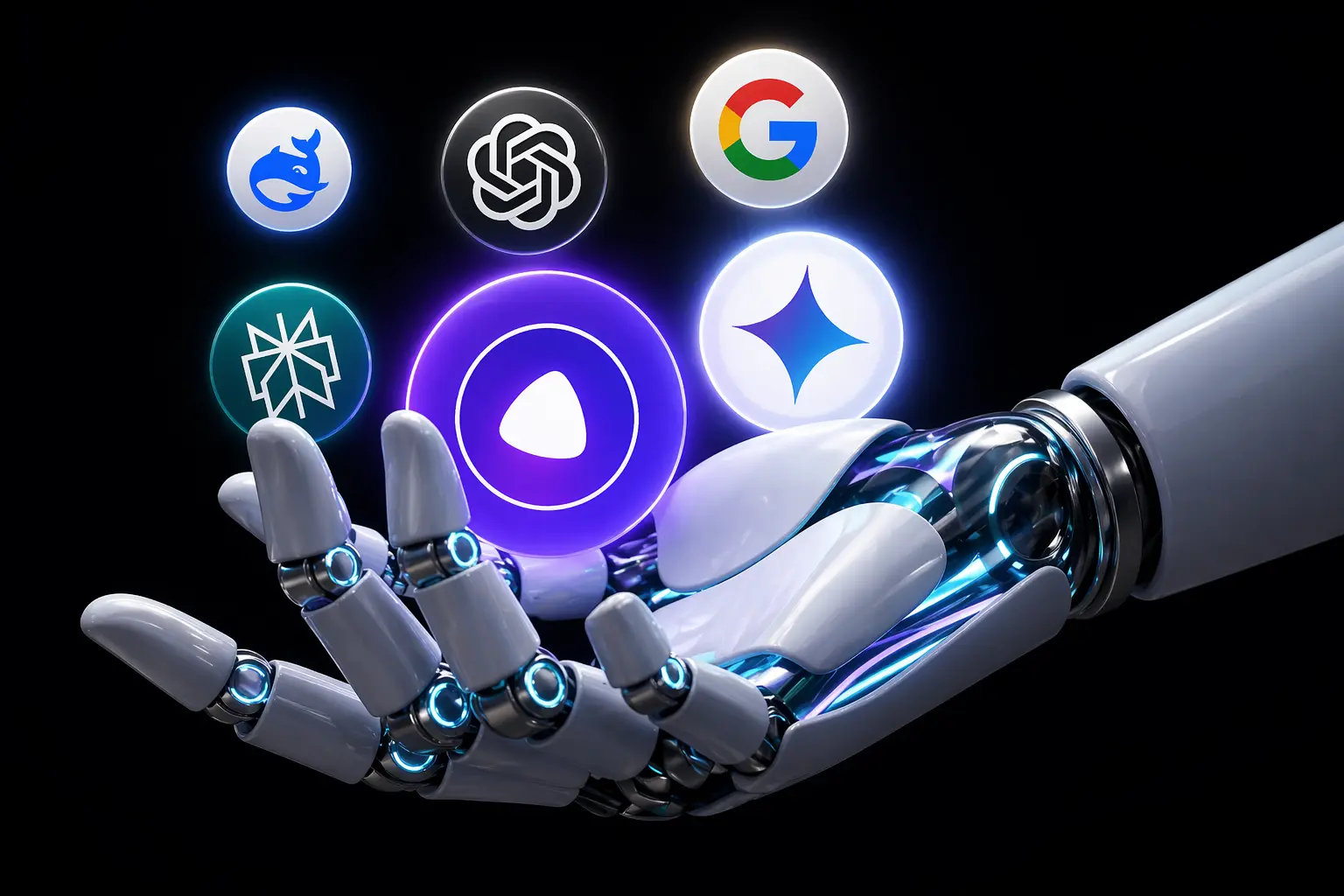
The shift in user behavior follows a simple logic: people want an answer, not a link to a website where they'll have to find it themselves. Generative models — Gemini, ChatGPT, AI Overview — have turned search engines from navigators into analysts, capable of synthesizing information from dozens of sources in seconds.
The statistics are sobering: only 1 in 100 users who receive a generative answer clicks through to the original source. Meanwhile, 89% of the content AI draws from consists of "earned media" — press articles, independent reviews, industry research. Corporate blogs and press releases rarely make the cut.
The reason lies in how large language models work. AI prioritizes content with concrete data, expert quotes, and links to external sources, published on authoritative independent platforms. A brand that only talks about itself goes largely unnoticed by neural networks.
A Real Client Example in AI Search
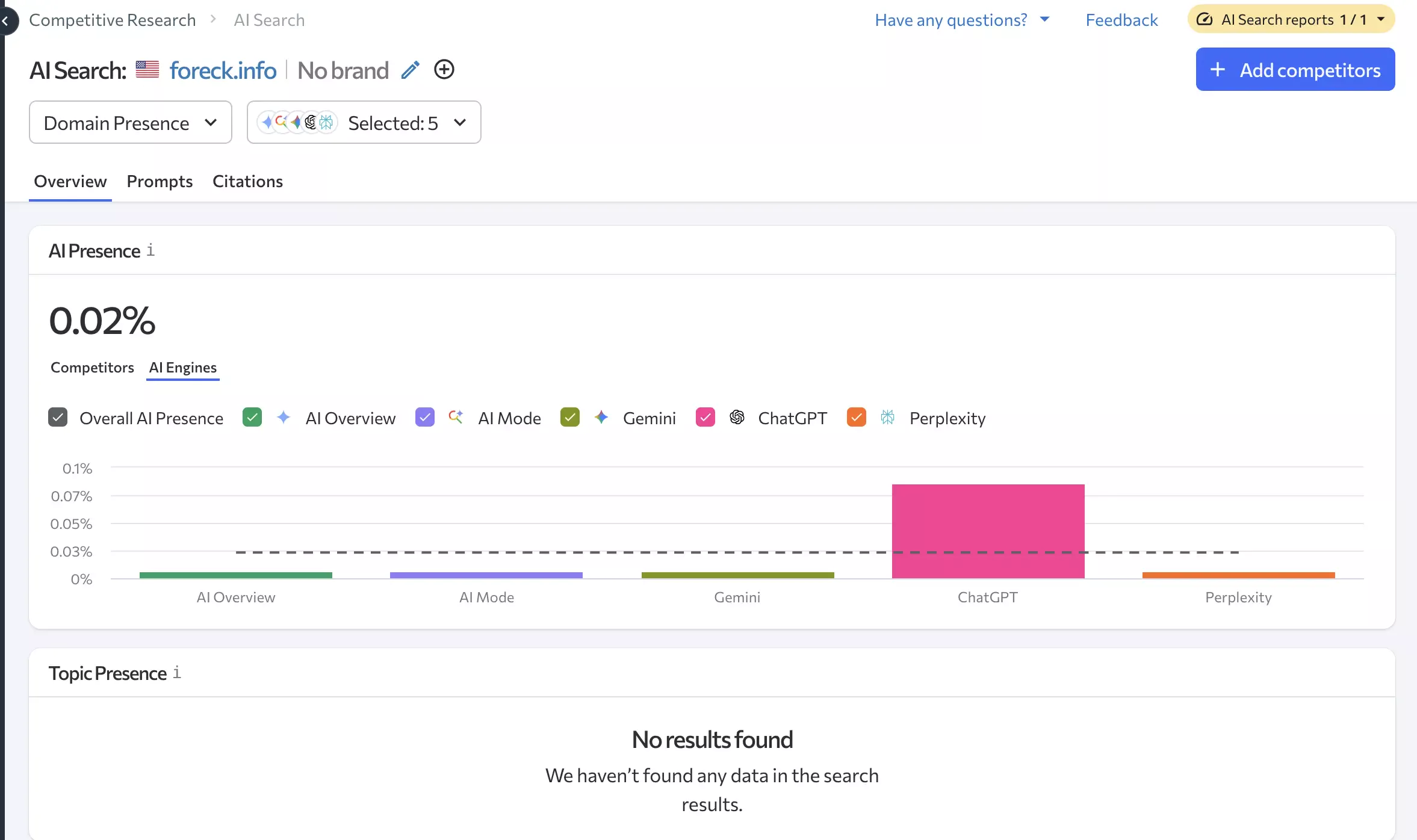
The screenshot below shows how the domain foreck.info appears in the AI Search section — confirming that the site has already begun appearing in AI-generated answers.
According to the report, the overall AI Presence score is 0.02%. This is an early-stage figure, but it already confirms that the domain is being recognized by AI systems — a positive signal in itself.
The site is indexed across several AI sources:
— AI Overview;
— AI Mode;
— Gemini;
— ChatGPT;
— Perplexity.
The strongest presence is in ChatGPT, where the score is higher than in the other AI channels. This is an encouraging sign: the site is already participating in generative search, meaning further GEO optimization can meaningfully increase its visibility in AI answers.
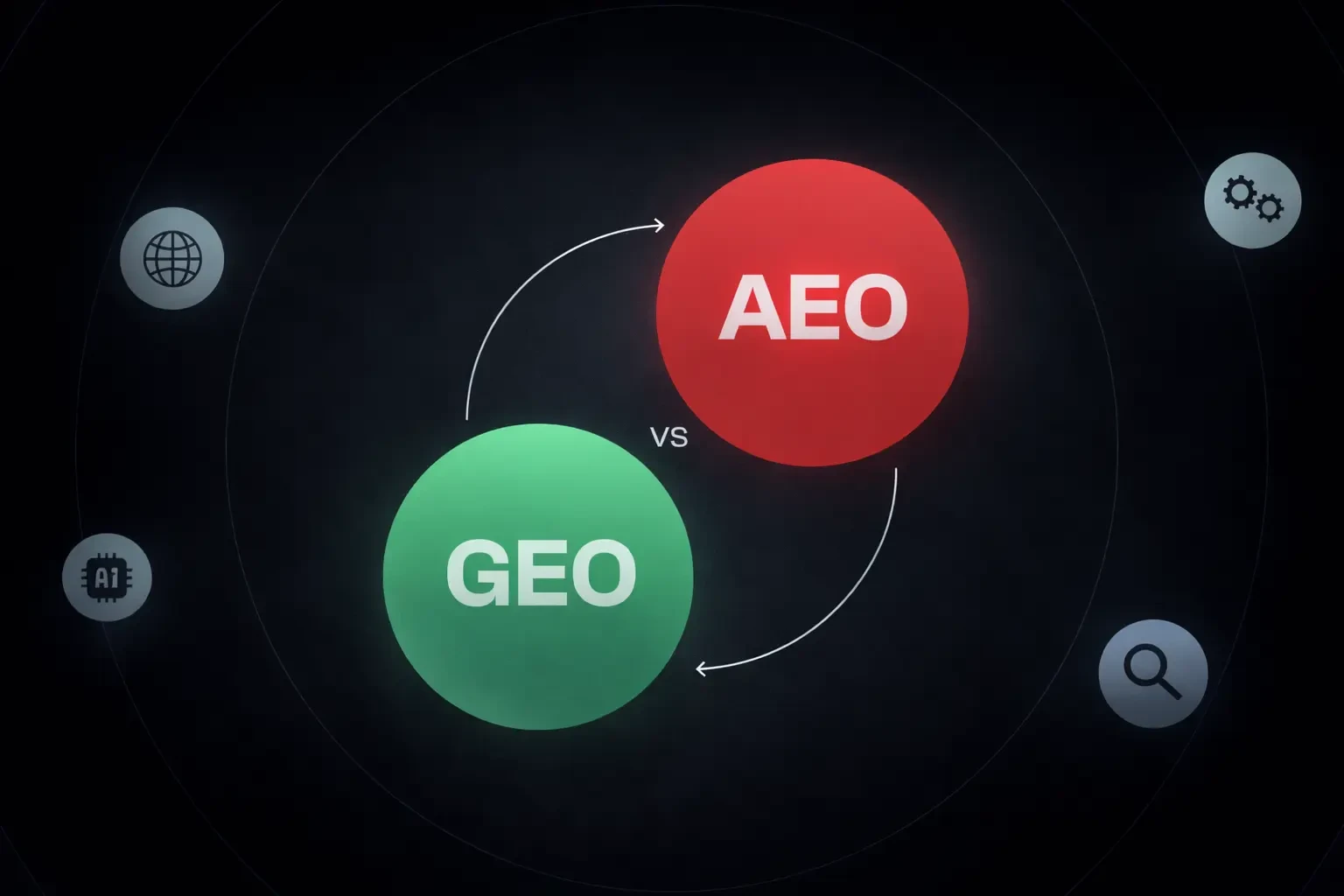
This example illustrates that appearing in AI responses requires more than classic SEO — it demands GEO: content structure, demonstrated expertise, external mentions, technical accessibility, and data quality.
How to Adapt: GEO Strategy Instead of Classic SEO
Traditional SEO — meta tags, link building, keyword density — is no longer enough. Enter GEO (Generative Engine Optimization): a set of measures designed to make AI systems treat your brand as a trustworthy, citable source.
1. Open your site to AI bots. Start by checking your robots.txt file. Many companies still block GPTBot, ClaudeBot, and similar crawlers — effectively shutting themselves out of AI answers. Remove those restrictions and add an llms.txt file to your site's root directory to help AI systems understand your content structure.
2. Build your external media presence. Publications in industry outlets, expert commentary in the press, appearances on podcasts and in research — these create exactly the type of mentions AI interprets as a signal of authority. Your own blog cannot substitute for independent platforms.
3. Rethink your content strategy. AI values not volume for its own sake, but factual density: specific figures, named experts, links to studies, clear structure. Aim for a minimum of 5,000 characters per piece — shorter content is far more likely to be ignored. Stop thinking about being read. Start thinking about being cited.
4. Monitor your reputation in real time. Reviews on maps, forum discussions, comments on review platforms — all of this is live data that AI actively draws on when generating answers. Reputation management is no longer optional.
Key Questions Answered
Is SEO dead? No — but its purpose has fundamentally changed. You used to compete for the click. Now you compete for the citation. Technical SEO is still essential for AI to find your site at all. Content SEO is what makes it recognize you as an expert worth mentioning.
Where to start right now? Three concrete steps: check robots.txt and unblock AI crawlers; update your key pages — add facts, figures, and expert names; search for your brand in ChatGPT, Gemini, or Perplexity and find out what AI actually knows about you today.
When will results appear? Technical changes take effect quickly. Press coverage and external mentions are gradually absorbed into AI training data — expect the first signals within 3–4 months. The key point: competition for AI answer placement is still low, and those who act now gain a significant head start.
Bottom Line
The race for the top search ranking is giving way to the battle for a place in the AI answer. Today, if your brand doesn't appear in ChatGPT, Gemini, or AI Overview responses to your target queries, a growing share of your potential audience will simply never find you.
Auditing your accessibility for AI bots, assessing your brand's presence in independent media, and rebuilding your content around factual depth and openness — this is not an experiment. It is the baseline toolkit for maintaining business visibility in the era of generative search.